Landmark agreement clears the way for Australian uranium exports to support India’s expanding civilian nuclear energy programme.
India and Australia have finalised the administrative arrangements required to begin exporting Australian uranium to India, ending years of delay and uncertainty surrounding the landmark civil nuclear cooperation agreement between the two countries.
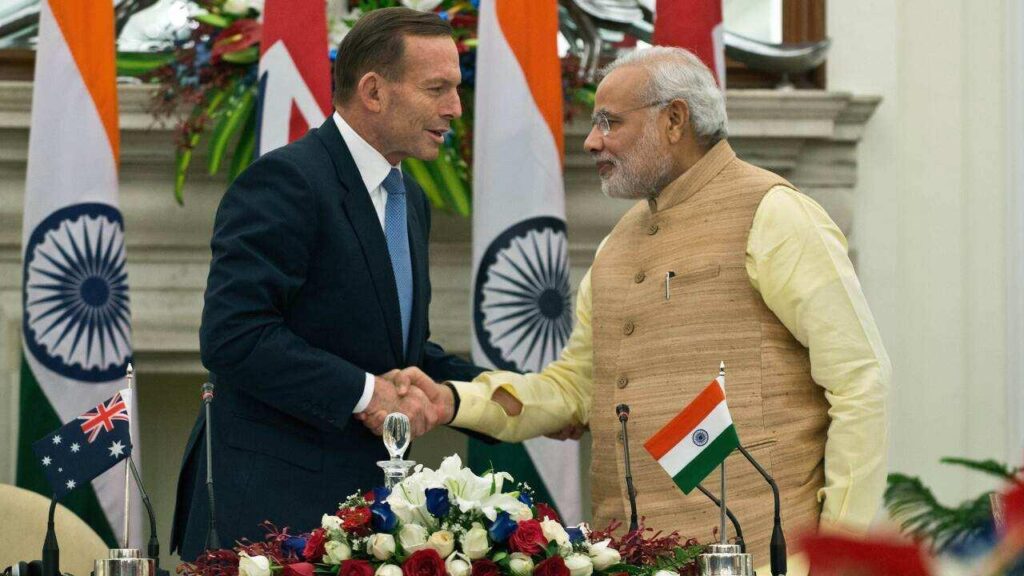
The breakthrough was announced following talks between Indian Prime Minister Narendra Modi and Australian Prime Minister Anthony Albanese in Melbourne. Under the arrangement, Australian uranium supplied to India will be used exclusively for peaceful civilian nuclear energy purposes and will remain subject to strict international safeguards.
The development marks an important milestone in India–Australia relations and could significantly strengthen India’s long-term energy security as New Delhi seeks to rapidly expand nuclear power generation.
Why Did Australia Initially Refuse to Supply Uranium to India?

Australia had historically refused to export uranium to India because New Delhi is not a signatory to the Nuclear Non-Proliferation Treaty, or NPT.
As a major uranium-producing country and an NPT member, Australia maintained a policy of supplying nuclear material only to nations that accepted its non-proliferation framework. Concerns intensified after India conducted nuclear weapons tests in 1998, prompting Canberra to oppose uranium sales unless India joined the NPT.
Australian authorities were particularly concerned that imported uranium or related nuclear material could be diverted from civilian reactors and used in India’s military nuclear programme. After the 1998 tests, Australia formally restricted uranium exports to India on non-proliferation grounds.
However, India consistently maintained that its nuclear weapons programme and civilian nuclear energy programme were separate.
What Changed Australia’s Position?
The international approach towards India began to change after the India–United States civil nuclear agreement and the Nuclear Suppliers Group’s decision in 2008 to grant India a special exemption.
The exemption allowed India to participate in global civilian nuclear commerce despite not being an NPT signatory. India agreed to separate designated civilian nuclear facilities from its strategic programme and place civilian reactors under International Atomic Energy Agency safeguards.
Australia subsequently reversed its longstanding policy against selling uranium to India. In 2011, Australia’s governing Labor Party voted to lift the ban, opening the way for formal negotiations.
India and Australia signed a civil nuclear cooperation agreement in September 2014. The agreement later entered into force, establishing the legal framework for Australian uranium exports. However, commercial supplies did not begin on a significant scale because administrative, monitoring and safeguards-related arrangements remained unresolved.
The latest agreement addresses those outstanding issues and establishes procedures to ensure that Australian uranium remains restricted to peaceful nuclear energy generation.
Strict Safeguards on Australian Uranium
Australia imposes some of the world’s strictest conditions on uranium exports.
Australian uranium can be supplied only to countries with which Canberra has a bilateral nuclear cooperation and safeguards agreement. The material must be used exclusively for peaceful purposes and cannot be diverted to nuclear weapons or other military applications.
The India–Australia arrangement is expected to include accounting, monitoring and verification mechanisms covering the handling and use of uranium throughout India’s civilian nuclear fuel cycle.
These safeguards helped address Canberra’s earlier concerns about India’s position outside the NPT framework.
Why the Deal Is Important for India
India’s Current Nuclear Power Capacity
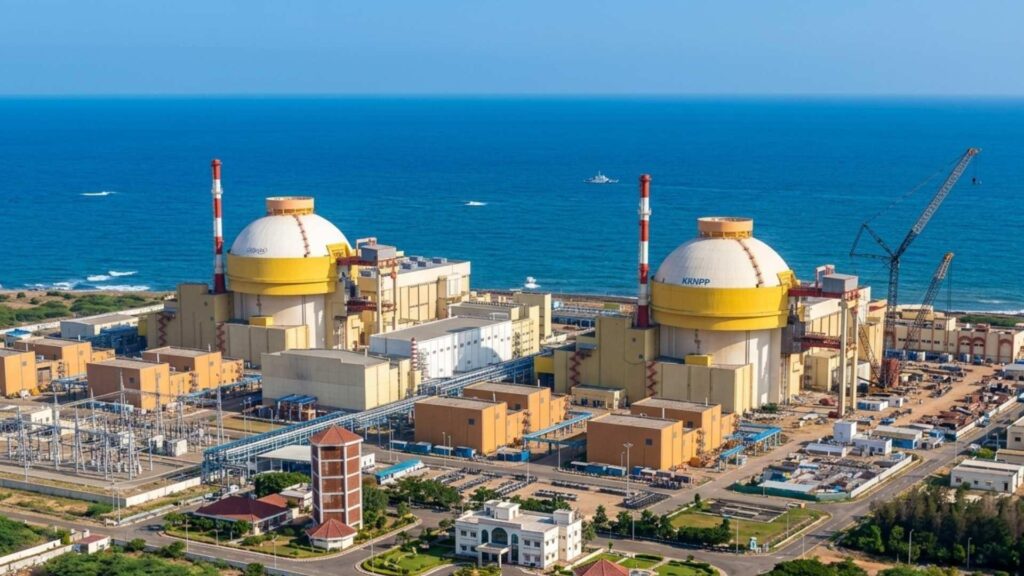
India currently operates 24 commercial nuclear reactors with a combined installed capacity of approximately 8,880 MW (8.88 GW). Another eight reactors with nearly 6,600 MW of capacity are under construction, while several additional projects have already received government approval.”While this share remains relatively small compared to coal, solar and hydroelectric power, the government views nuclear energy as an essential source of reliable, carbon-free baseload electricity.
To meet its long-term clean energy goals, India aims to expand its nuclear power capacity to 22 GW by 2032 and eventually 100 GW by 2047, making nuclear energy one of the key pillars of the country’s net-zero transition.
India’s Planned Nuclear Expansion
India is currently constructing eight nuclear reactors across several states, including Rajasthan, Haryana, Tamil Nadu and Gujarat. These include indigenous 700 MW Pressurised Heavy Water Reactors (PHWRs) as well as the Kudankulam Nuclear Power Project being developed with Russian cooperation.
Beyond these projects, the government has announced plans for at least 18 additional reactors over the coming years. India is also exploring the deployment of Small Modular Reactors (SMRs) and advanced reactor technologies to diversify its nuclear energy portfolio and support industrial decarbonisation.
Australia’s Dominance in the Global Uranium Market
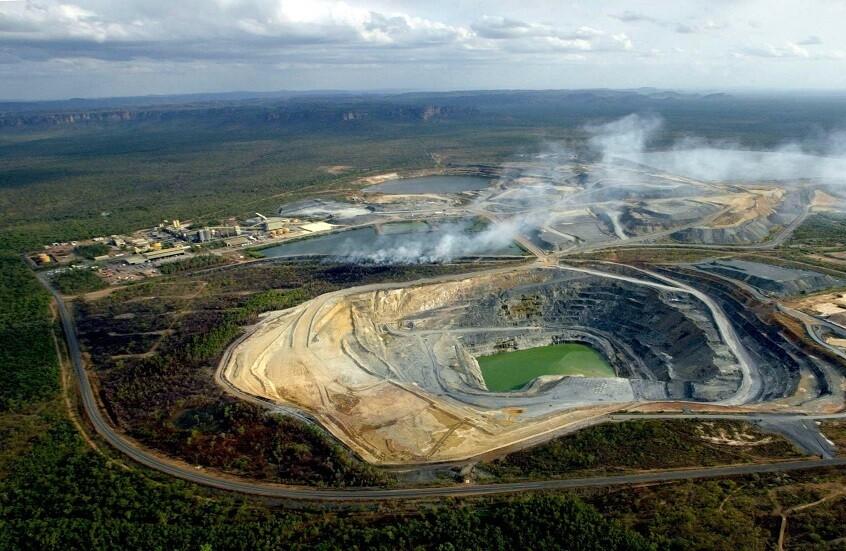
Australia is a global uranium powerhouse. According to the World Nuclear Association, the country possesses approximately 28% of the world’s known recoverable uranium resources—the largest share held by any nation.
Although Australia accounts for only around 8–10% of annual global uranium production, it is responsible for roughly 15–20% of global uranium exports, supplying nuclear fuel to countries including the United States, France, South Korea, Japan and now India.
Major Australian uranium operations include the Olympic Dam mine in South Australia, one of the world’s largest uranium deposits, along with the Four Mile uranium project.
For Australia, India represents one of the world’s fastest-growing long-term markets for nuclear fuel as New Delhi accelerates its civilian nuclear expansion.
India’s Domestic Uranium Resources and Why Imports Still Matter
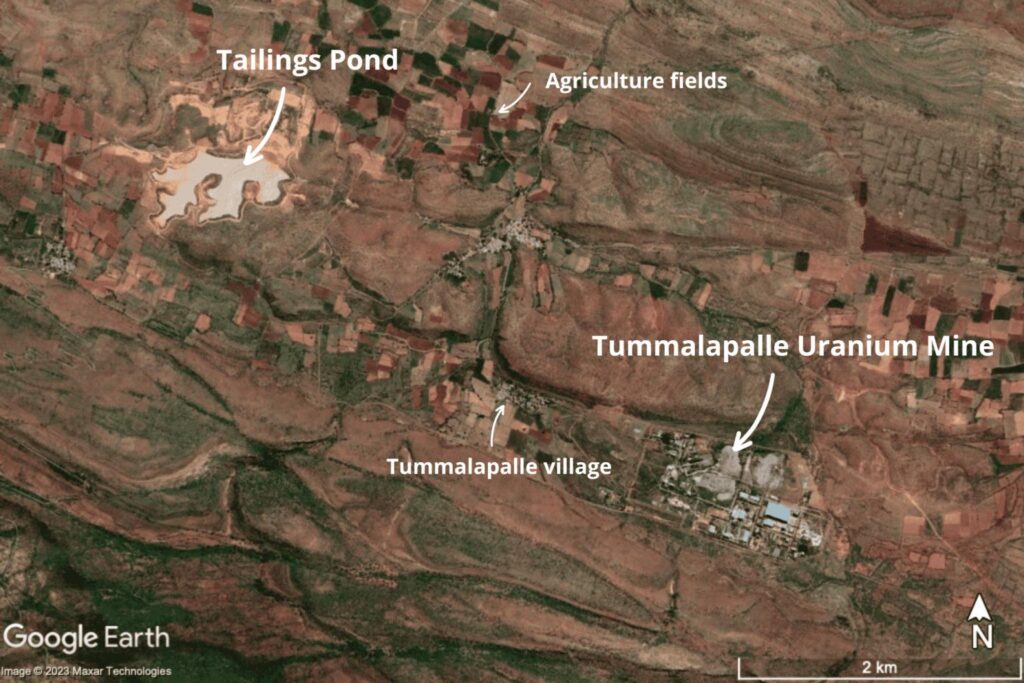
India possesses uranium reserves in states including Jharkhand, Andhra Pradesh, Telangana, Meghalaya, Rajasthan and Karnataka. Uranium mining is carried out primarily by the Uranium Corporation of India Limited (UCIL).
Key Indian uranium mines include:
- Jaduguda (Jharkhand)
- Turamdih (Jharkhand)
- Tummalapalle (Andhra Pradesh)
- Narwapahar (Jharkhand)
- Bagjata (Jharkhand)
Despite expanding domestic production, India’s uranium deposits generally contain lower-grade ore, making extraction more challenging and insufficient to meet the fuel requirements of its expanding reactor fleet.
To bridge the gap, India imports uranium from several countries, including:
- Kazakhstan
- Canada
- Russia
- Uzbekistan
- Namibia
- France (processed nuclear fuel)
- Australia (under the new agreement)
Diversifying import sources reduces supply risks while ensuring uninterrupted fuel availability for India’s existing and future nuclear reactors.
Why the Agreement Benefits Australia
Australia possesses the world’s largest known uranium resources and is already a major supplier to the global nuclear energy market.
India, with its planned expansion of nuclear capacity, could emerge as one of the largest future markets for Australian uranium. The agreement therefore offers Canberra significant long-term commercial opportunities.
It could encourage investment in Australian uranium mining, create export revenue and support jobs in mining and associated industries.
The agreement may also help Australia diversify its trade relationships beyond China by expanding economic engagement with India, one of the world’s fastest-growing major economies.
More Than an Energy Agreement

The uranium arrangement also reflects the transformation of India–Australia relations.
The two countries have steadily deepened cooperation in defence, maritime security, critical minerals, clean energy, emerging technologies and resilient supply chains.
India and Australia are members of the Quad strategic grouping alongside the United States and Japan. Both nations share an interest in maintaining stability, freedom of navigation and a rules-based order in the Indo-Pacific region.
The uranium agreement demonstrates the growing level of strategic trust between New Delhi and Canberra. Australia’s willingness to resolve a long-running nuclear export dispute indicates that India is now viewed as an increasingly important economic and security partner.
Challenges Remain
Despite the political breakthrough, several details remain unclear.
The two governments have not immediately disclosed the quantity of uranium to be supplied, the value of potential contracts or the date on which commercial shipments will begin. Uranium purchases will also require negotiations between Indian organisations and Australian mining companies.
The pace of India’s nuclear expansion will depend on reactor construction, regulatory approvals, financing, land acquisition and the availability of nuclear technology.
Domestic political debate may also continue in Australia, where uranium is exported for nuclear power generation overseas even though commercial nuclear power remains prohibited domestically.
A Historic Shift in Bilateral Relations
Australia’s position has changed because the strategic, regulatory and economic environment is markedly different from what it was after India’s 1998 nuclear tests.
International recognition of India’s civilian nuclear programme, the 2008 Nuclear Suppliers Group exemption, IAEA safeguards and the separation of designated civilian and military nuclear facilities helped create the foundation for cooperation.
At the same time, India’s rising energy requirements and its growing strategic importance in the Indo-Pacific have made closer cooperation increasingly valuable to Australia.
The uranium deal is therefore not merely a fuel-supply arrangement. It represents a broader shift from decades of nuclear mistrust to a relationship built on strategic confidence, economic opportunity and shared regional interests.