
📅 April 27, 2026 | By Pulse India News Desk
India and New Zealand have signed what leaders on both sides described as a “once-in-a-generation” trade agreement, marking one of the biggest breakthroughs in bilateral relations between the two countries in more than a decade.
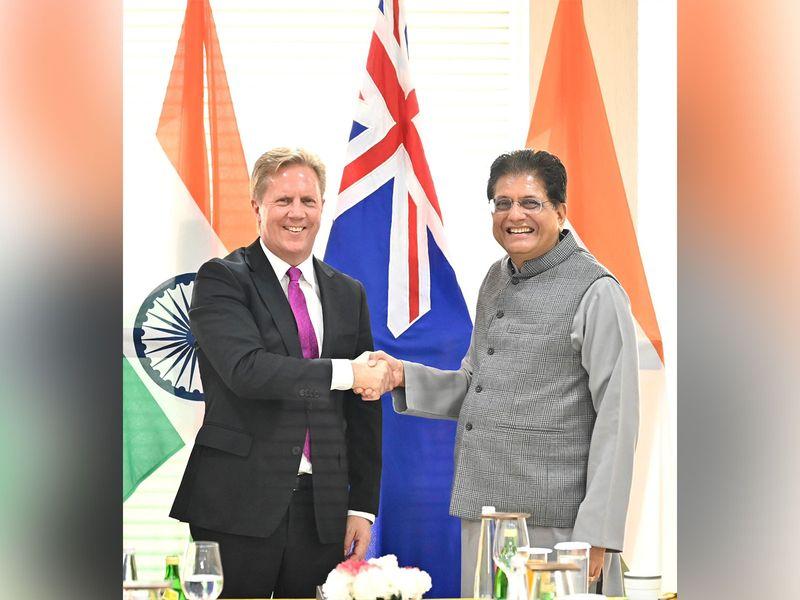
The landmark pact is expected to gradually reduce tariffs on several goods categories, boost bilateral trade, improve investment flows and open new opportunities for businesses, professionals and students in both countries.
The agreement, signed after years of stalled negotiations and renewed diplomatic efforts, is expected to significantly expand trade, investment and strategic cooperation across sectors ranging from technology and manufacturing to education and agriculture.
Trade Deal Aims to Boost Economic Ties
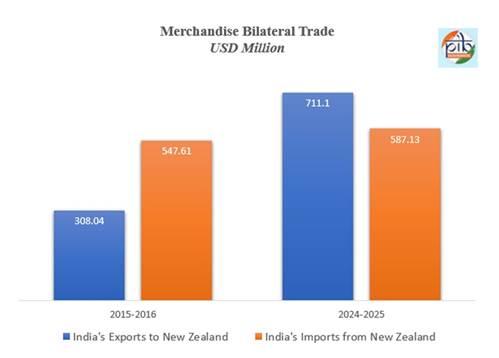
Currently, economic ties between India and New Zealand remain relatively modest despite growing diplomatic engagement. Bilateral merchandise trade between the two countries stood at around $1.3 billion in 2024–25, while total trade in goods and services was estimated at roughly $2.4 billion.
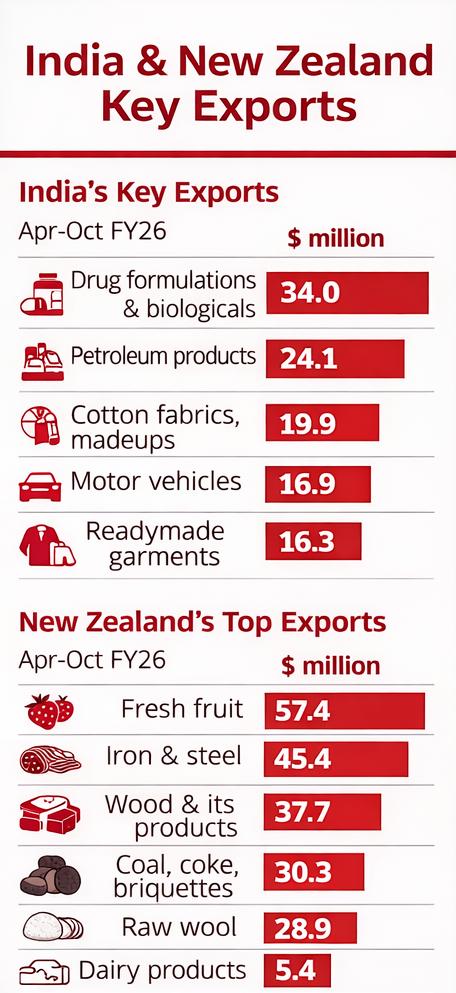
India’s major exports to New Zealand include:
- Pharmaceuticals
- Textiles
- Machinery and engineering goods
- IT and professional services
- Leather and handicraft products
Meanwhile, India imports:
- Wool and forestry products
- Fruits and agricultural goods
- Timber and wood products
- Metals and food items
Under the newly signed agreement, both governments are aiming to nearly double overall trade volumes over the next five years, with projections suggesting bilateral trade could rise to around $5 billion.
Officials and industry experts believe tariff reductions, improved market access and stronger investment cooperation could accelerate growth across manufacturing, technology, logistics, food processing and services sectors.
India Protects Sensitive Agricultural Sectors
One of the most closely watched aspects of the negotiations was India’s stance on dairy imports.
Government sources indicated that India retained safeguards for sensitive sectors such as:
- Dairy
- Sugar
- Edible oils
- Certain agricultural commodities
The move was considered politically important due to concerns from farmer groups and domestic dairy cooperatives about foreign competition.
Trade analysts say New Zealand had pushed for broader dairy access during earlier rounds of talks, making this one of the toughest areas of negotiation.
$20 Billion Investment Push
The agreement is also expected to unlock major investment opportunities between the two countries.
Reports suggest New Zealand companies could invest nearly $20 billion in India over the next 15 years, targeting sectors such as:
- Infrastructure
- Renewable energy
- Logistics
- Food processing
- Technology manufacturing
Indian officials believe the investment component of the pact could help create jobs and strengthen India’s push to become a global manufacturing and export hub.
Major Boost for Students and Professionals

The pact is expected to improve cooperation in:
- Education
- Skilled workforce mobility
- Technology partnerships
- Research collaboration
- Startup ecosystems
Officials say Indian students and professionals could benefit from easier visa pathways, expanded post-study work opportunities and stronger recognition of professional skills.
New Zealand has emerged as an increasingly popular destination for Indian students in recent years, while Indian IT and professional services firms continue expanding globally.
Strategic Importance Beyond Trade
While the agreement is primarily economic, analysts say its geopolitical importance could be equally significant.
The deal comes at a time when countries across the Indo-Pacific region are:
- Diversifying supply chains
- Reducing overdependence on single markets
- Expanding strategic economic partnerships
- Strengthening cooperation between democratic economies
India has increasingly focused on signing targeted trade agreements with key global partners as it positions itself as a major alternative manufacturing and services destination.
For New Zealand, the agreement provides deeper economic access to one of the world’s fastest-growing large economies.
Talks Revived After Nearly a Decade
Negotiations for a free trade agreement between India and New Zealand originally began in 2010 but stalled several years later because of disagreements over agriculture and market access.
The talks were revived recently amid changing global economic conditions and renewed diplomatic engagement between the two governments.
After multiple rounds of negotiations, both sides finally reached a breakthrough this year.
What Happens Next?
The agreement will now move through legal and ratification procedures before full implementation.
Officials expect parts of the deal to begin taking effect later this year.
Experts say the long-term success of the pact will depend on how quickly exporters, businesses and investors from both countries are able to take advantage of the opportunities created under the agreement.
For India, the deal is being seen as another step toward deeper global economic integration. For New Zealand, it opens the door to stronger engagement with one of the most important growth markets of the coming decade.