📅 April 25, 2026 | By Pulse India News Desk
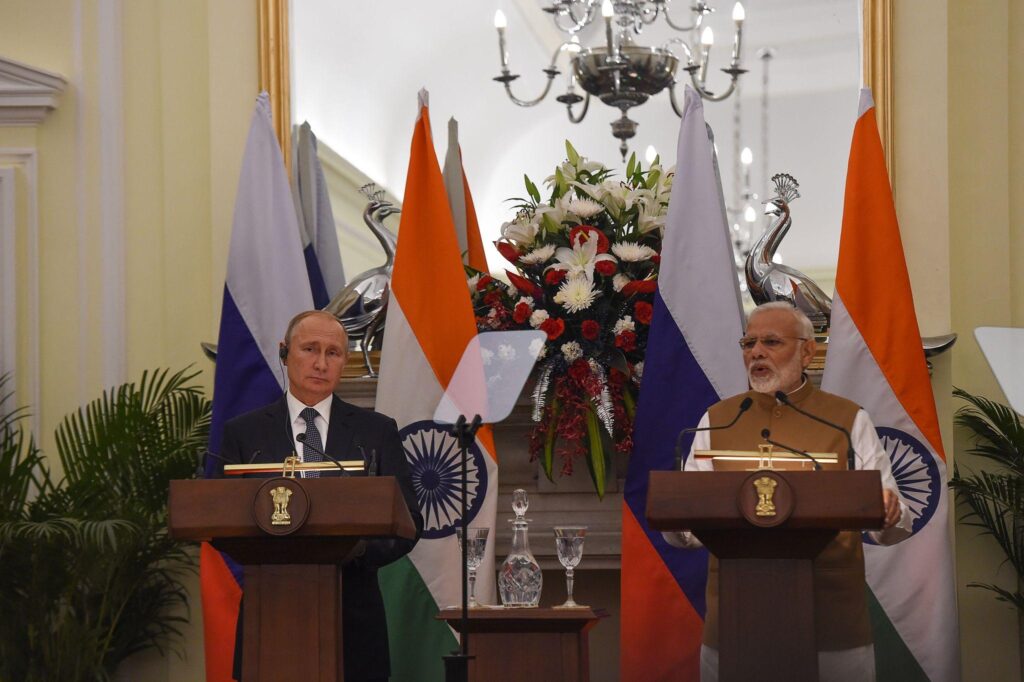
India has operationalised one of its most significant military logistics agreements in recent years after the India–Russia RELOS pact officially came into force in 2026.
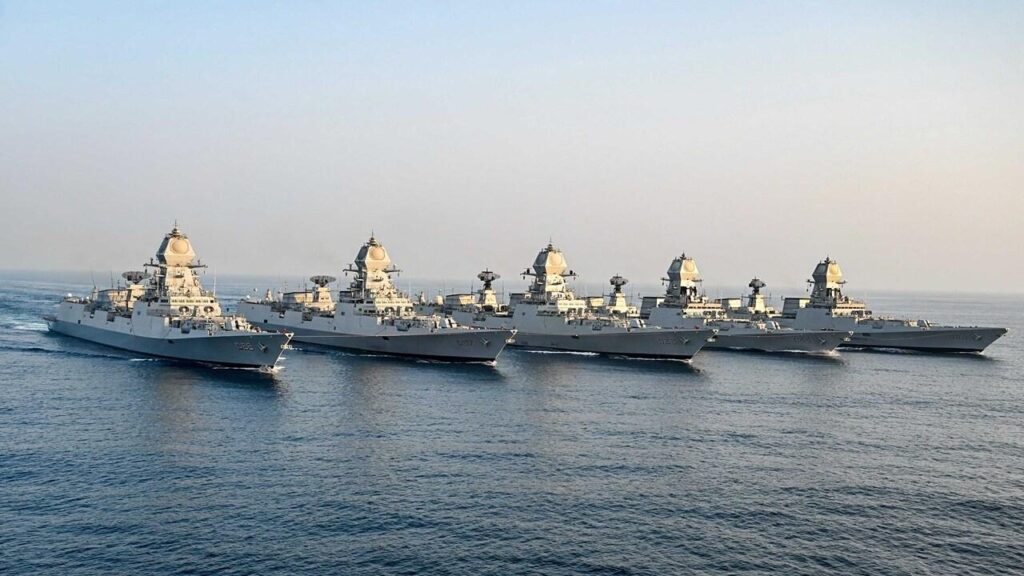
The agreement allows both countries to station up to 5 warships, 10 military aircraft and 3,000 troops inside each other’s territory for logistics support, exercises and operational cooperation.
The move is being viewed as a major expansion of India’s global military reach at a time when geopolitical competition is intensifying across Europe, the Indo-Pacific and West Asia.
What is the RELOS Pact?
RELOS stands for Reciprocal Exchange of Logistics Support.
It is a bilateral military logistics agreement signed between India and Russia that allows both countries to access each other’s military infrastructure for operational support.
The pact was signed in 2025 and officially became operational in 2026 after ratification by both governments.
Under the agreement, both countries can simultaneously deploy:
- Up to 3,000 troops
- 5 warships
- 10 military aircraft
inside each other’s territory during exercises, missions or operational contingencies.
The agreement also enables:
- Refuelling of military assets
- Repairs and maintenance
- Logistics support
- Port and airbase access
- Medical and transportation support
Unlike many traditional logistics agreements that are limited to fuel and supplies, RELOS also allows temporary stationing of military assets.
Why is This Deal Important for India?
Strategic experts believe the RELOS pact gives India a major operational advantage by extending its military support network beyond the Indian Ocean region.
Bigger Global Military Reach
The agreement gives India access to Russian infrastructure in regions such as:
- The Arctic
- The Pacific
- Parts of Europe
- Russia’s Far East
This improves India’s long-range deployment capability for both naval and air operations.
Support for Russian-Origin Weapons
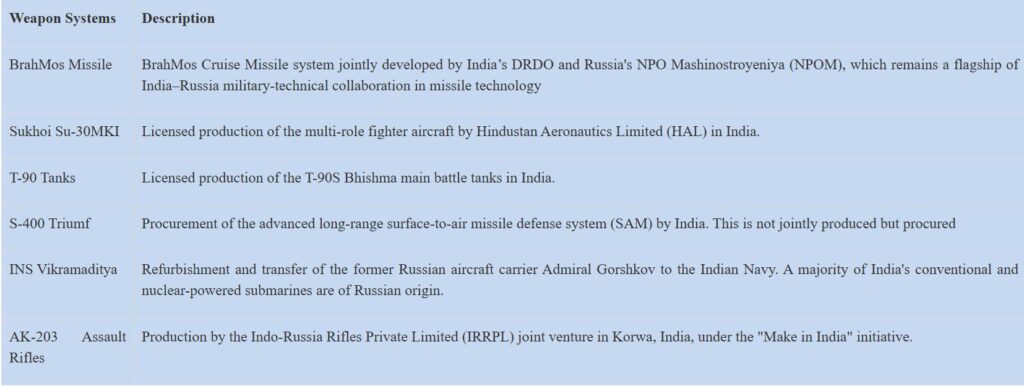
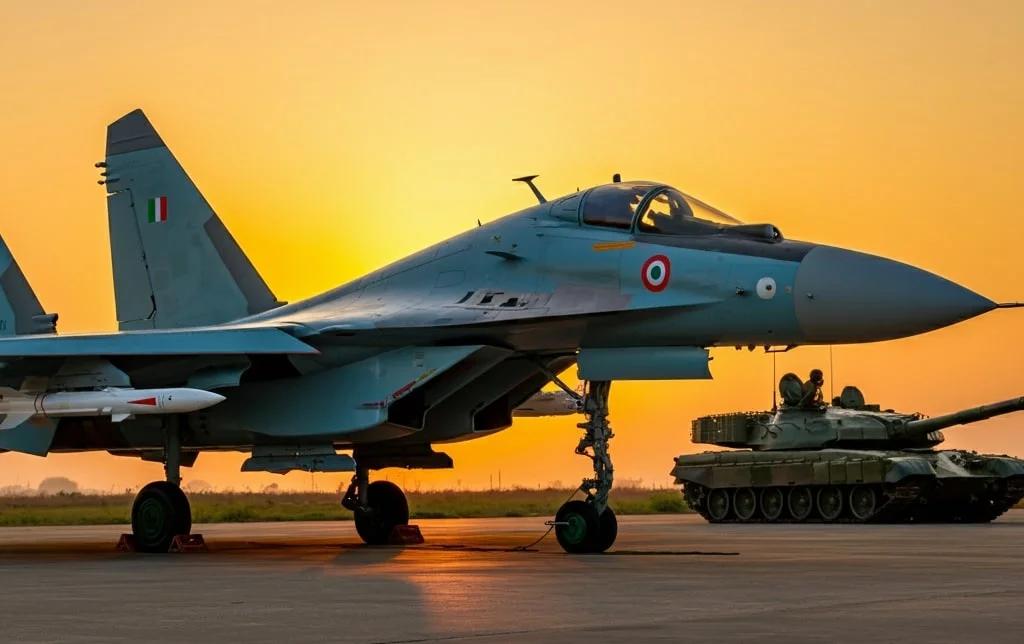
India still operates a large number of Russian-origin platforms, including:
- Su-30MKI fighter jets
- S-400 air defence systems
- T-90 tanks
- MiG aircraft
- Russian submarines
The RELOS framework makes overseas maintenance and logistical support easier for these systems.
Stronger Naval Presence
The Indian Navy could benefit significantly from access to Russian ports and facilities, especially during long deployments or multinational exercises.
This becomes strategically important as China continues expanding naval influence across the Indo-Pacific.
Strategic Autonomy
India already has logistics agreements with:
- The United States
- France
- Australia
- Japan
- Singapore
By maintaining defence partnerships with both Western countries and Russia, India continues its strategy of “multi-alignment” instead of joining a single geopolitical bloc.
Is This a Counter to the Saudi–Pakistan Military Relationship?
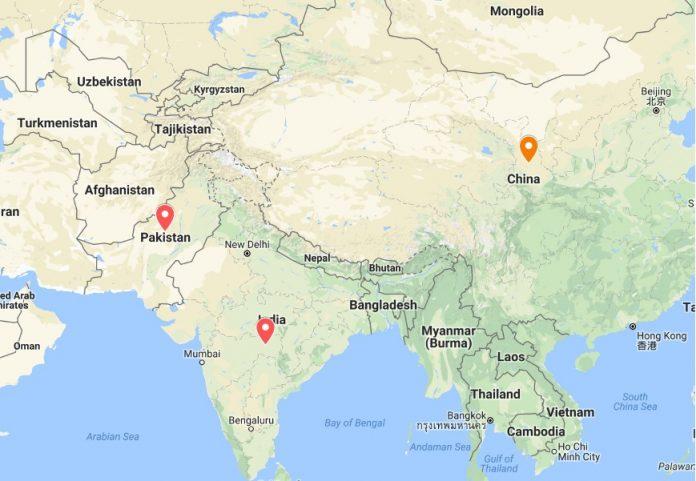
Not directly — but the timing and regional context are important.
Pakistan has been trying to strengthen defence and economic ties with countries including:
- Saudi Arabia
- China
- Turkey
Saudi Arabia and Pakistan also maintain long-standing military cooperation involving:
- Joint exercises
- Security partnerships
- Defence training
- Financial support
At the same time, China and Pakistan continue expanding strategic coordination through projects linked to the China–Pakistan Economic Corridor (CPEC) and defence collaboration.
Against this backdrop, India appears to be strengthening its own strategic depth by deepening military logistics partnerships with major global powers like Russia, the US and France.
While the RELOS pact is not officially aimed at Pakistan or Saudi Arabia, analysts say it strengthens India’s position in the broader Eurasian and Indo-Pacific strategic environment.
It also signals that Russia remains an important pillar of India’s defence architecture despite growing global geopolitical divisions after the Ukraine war.
What Does Russia Gain?
Russia also receives access to Indian facilities and logistical support in the Indian Ocean region.
This helps Moscow:
- Maintain strategic presence in the Indo-Pacific
- Expand naval access routes
- Strengthen defence cooperation with India
- Offset growing Western isolation
The agreement further deepens a defence relationship that already includes:
- Fighter aircraft
- Missile systems
- Nuclear submarines
- Energy cooperation
The Bigger Strategic Picture
The operationalisation of the RELOS pact comes at a time when countries are increasingly building military logistics networks beyond their borders.
For India, the agreement provides:
- Faster military mobility
- Better overseas operational capability
- Greater naval flexibility
- Improved logistics resilience
Most importantly, it supports India’s long-term goal of emerging as a major strategic power with the ability to operate across multiple regions.
As geopolitical competition intensifies from Europe to the Indo-Pacific, the India–Russia RELOS pact marks another major step in New Delhi’s evolving global defence strategy.