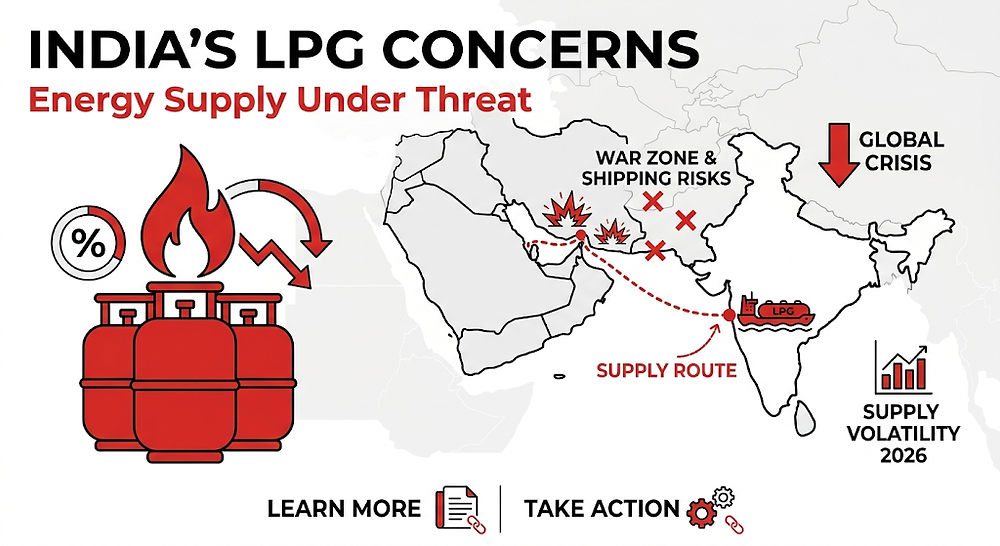
India’s LPG (Liquefied Petroleum Gas) supply has come into sharp focus following rising geopolitical tensions in the Middle East, particularly after attack on Qatar’s Ras Laffan industrial hub, one of the world’s most critical gas export centers.
While there is no immediate supply disruption, the situation highlights a deeper concern: India’s growing dependence on imported energy and its exposure to global geopolitical risks.
📦 India’s LPG Dependence: A Structural Reality
India is among the largest consumers of LPG globally, driven by rapid urbanization and welfare schemes like the Pradhan Mantri Ujjwala Yojana.
The country consumes around 28–30 million tonnes (MMT) of LPG annually. However, domestic production meets only about 35–40% of demand.
This means India imports nearly 60–65% of its LPG, translating to roughly 17–20 million tonnes every year.
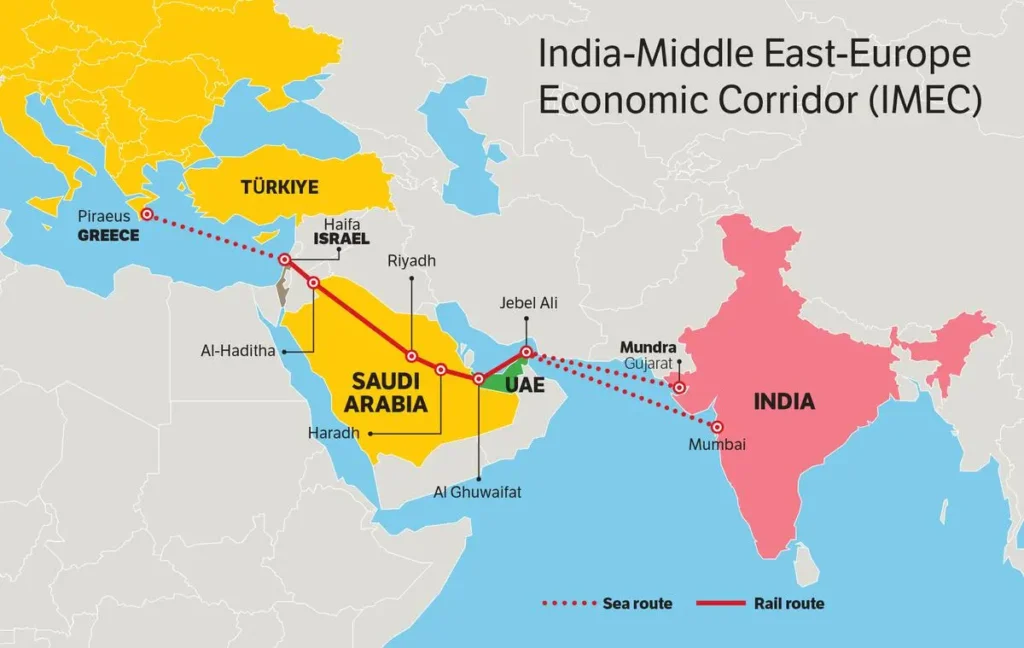
Qatar remains one of the key suppliers, along with Saudi Arabia, the UAE, and increasingly the United States. Despite diversification, the Middle East continues to dominate India’s LPG supply chain.
🌍 Why Ras Laffan Matters
Ras Laffan is not just a regional facility — it is a global energy hub handling a significant share of LNG and LPG exports from Qatar.
Any disruption, or even perceived risk in this region, can trigger immediate reactions in global energy markets. Prices tend to rise quickly due to uncertainty, even if actual supply remains unaffected.
For a country like India, which relies heavily on imports, this translates into economic pressure rather than immediate shortages.
🏠 Where Is LPG Used in India?
LPG usage in India is heavily concentrated in the domestic sector, making it highly sensitive to price changes.
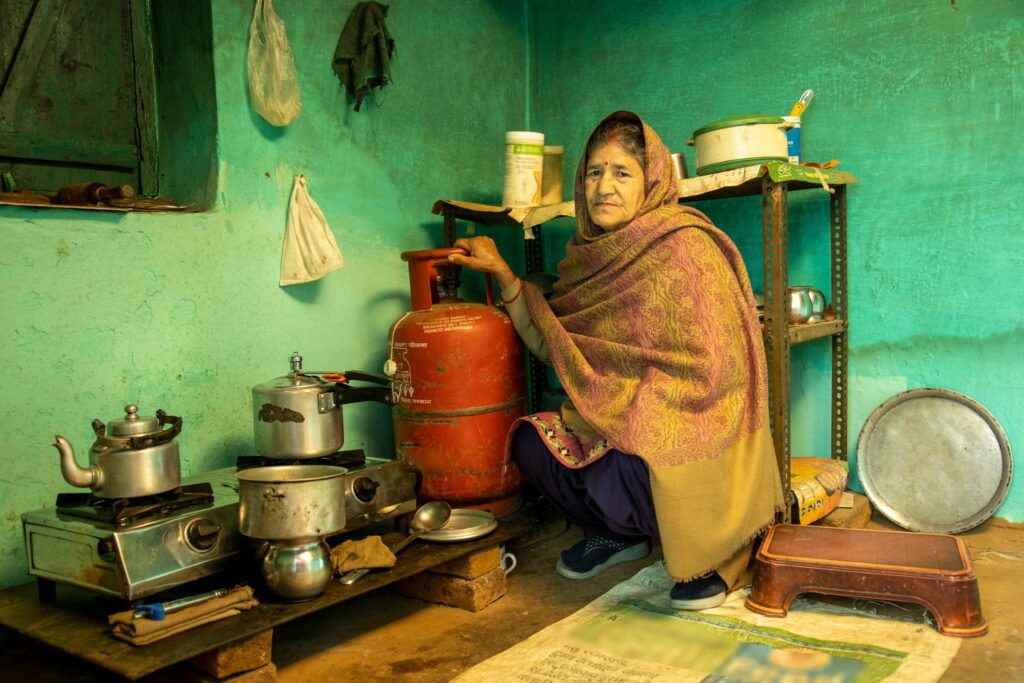
- Households (85–90%): Cooking gas for millions of homes, especially under welfare schemes
- Commercial (5–7%): Hotels, restaurants, catering services
- Industrial (3–5%): Small manufacturing and processing units
- Fertilizer & Petrochemical (limited but strategic): Used in specific industrial processes
Because the majority of LPG is used by households, even small price increases have a direct impact on everyday life.
📉 What Could Be the Impact on India?
The immediate concern for India is not supply disruption, but price volatility.
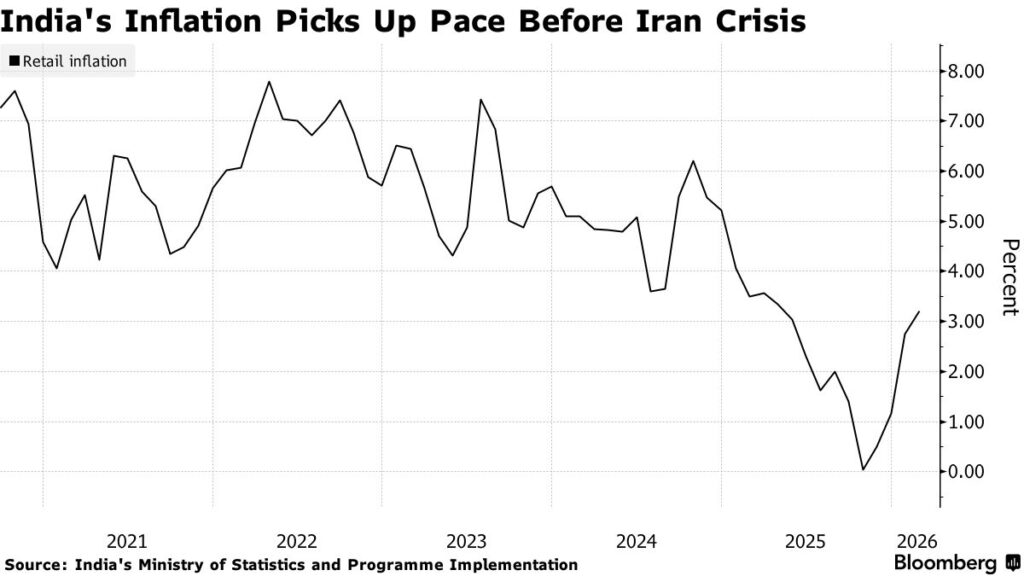
If tensions escalate, India could face:
- Higher LPG cylinder prices
- Increased subsidy burden on the government
- Rising inflation, especially for lower-income households
- Pressure on import bills due to global price spikes
India’s diversified import network provides some buffer, but it cannot fully shield the country from global market movements.
🏛️ Government Response: Stability Over Panic
The Indian government has adopted a cautious and controlled approach.
Authorities are:
- Maintaining adequate buffer stocks
- Monitoring global supply chains closely
- Ensuring uninterrupted distribution through oil marketing companies
- Managing subsidies to balance fiscal impact
So far, there is no indication of supply shortages, but policymakers remain alert to global developments.
Pingback: Indian Navy Secures Oil Routes in Hormuz Under Urja Suraksha Operation