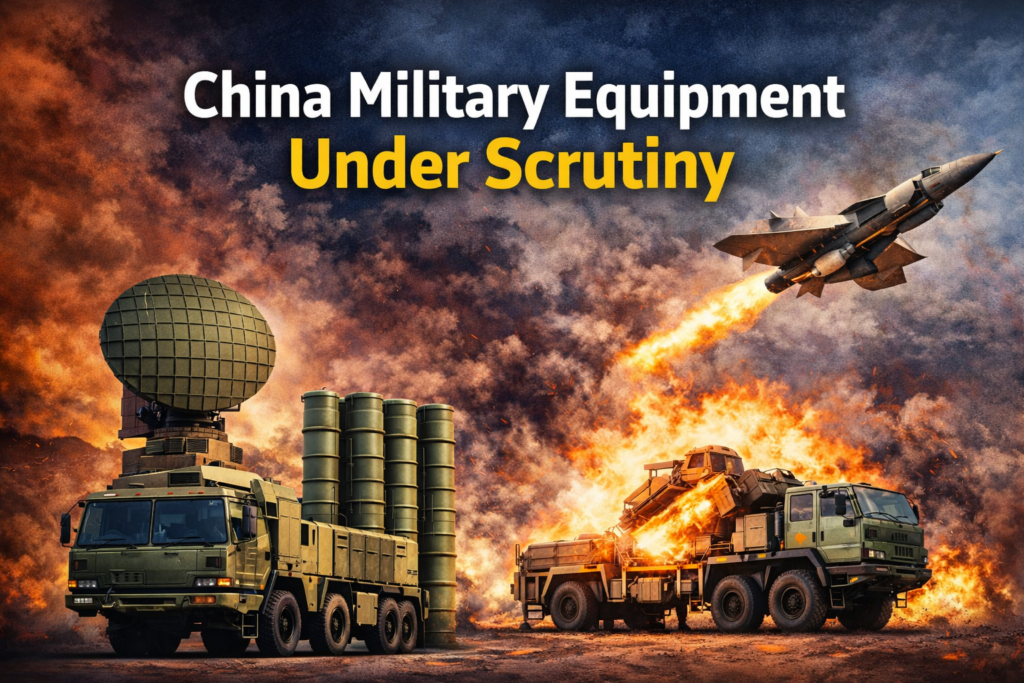
China has rapidly expanded its defence export industry over the past two decades. From fighter aircraft and drones to long-range missile systems, Beijing has positioned itself as a major supplier of military hardware to countries across Asia, the Middle East, Africa and Latin America. Among its most heavily marketed products are air-defence systems such as the HQ-9 long-range surface-to-air missile system, often promoted as a competitor to Western systems like the Patriot or Russian S-400.
However, recent conflicts and military operations involving countries that operate Chinese defence equipment — including Pakistan, Iran and Venezuela — have sparked renewed debate among defence analysts about the real-world effectiveness of these systems.
Pakistan: Chinese Systems Under Combat Scrutiny
Pakistan is one of the largest buyers of Chinese military equipment. In recent years, Islamabad has inducted the HQ-9/P long-range air defence system, designed to protect key cities and strategic installations from aircraft and missile attacks.
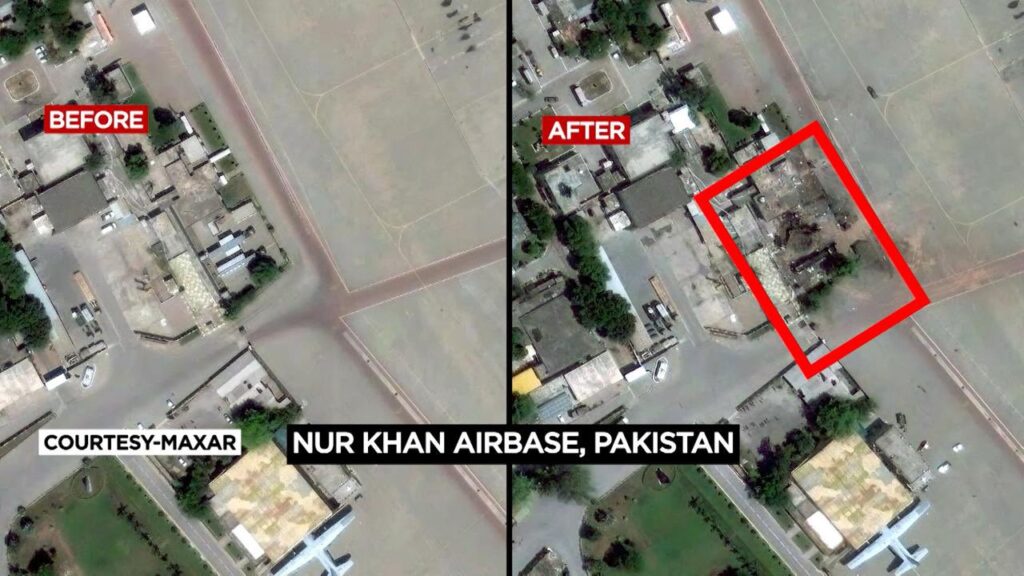
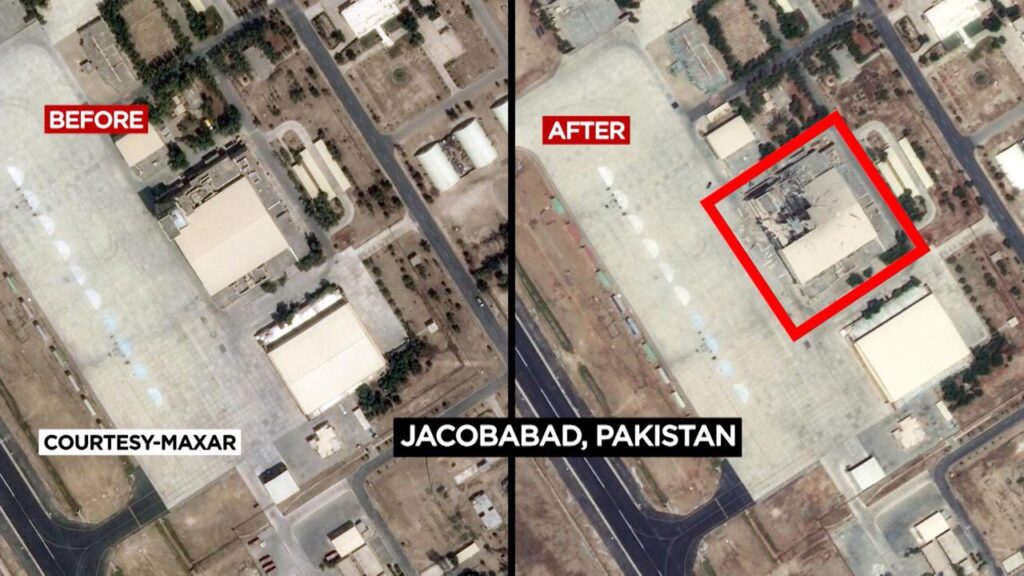
During periods of heightened military tension between India and Pakistan, analysts closely watched how Pakistan’s Chinese-origin defence systems would perform under potential strike scenarios. Such situations provide rare real-world insights into the operational capability of modern air-defence networks.
The first major test came during the India-Pakistan conflict in 2025, when Pakistan relied heavily on Chinese air defence systems such as the HQ-9 surface-to-air missile system.
Reports suggested that Indian precision strikes were able to penetrate Pakistan’s air defence network and hit multiple military targets. Analysts argued that the Chinese-supplied systems struggled to intercept incoming missiles and drones.
One of the Indian missile directly hit the HQ-9 System itself and Pakistan faced a severe damage to their Ai bases and Global Humilation.
Venezuela: Radar Technology Faces Questions
Another setback reportedly occurred in Venezuela, where Chinese-supplied radar systems were expected to detect stealth aircraft. During a US operation involving more than 150 aircraft, Venezuelan defences reportedly failed to shoot down a single aircraft despite possessing Chinese anti-stealth radar technology.
The incident highlighted an important reality of modern warfare: air defence is not simply about detecting aircraft. It requires a highly integrated and resilient network capable of surviving electronic warfare, cyber interference and rapid multi-directional attacks.
Experts noted that the radar network either failed to detect the incoming aircraft or was disrupted by electronic warfare systems.
Iran: Renewed Debate After Regional Airstrikes
Iran has also invested heavily in building a layered air-defence network that includes domestically produced systems as well as technologies influenced by Chinese and Russian designs.
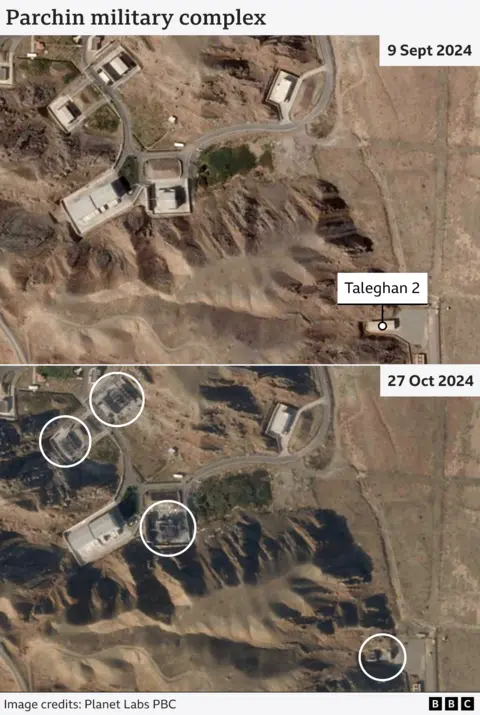
Following recent large-scale airstrikes carried out against targets across Iranian territory, defence observers began discussing whether existing air-defence systems were capable of effectively countering modern air campaigns.
After large-scale airstrikes carried out by the US and Israel across several Iranian provinces, the system reportedly failed to prevent significant damage to key sites.
The Real Challenge of Modern Air Defence
Across all these cases, defence analysts emphasize that modern air defence is a system of systems. A successful network must combine multiple layers:
- Long-range missile interceptors
- Medium-range and short-range systems
- Early-warning radars
- Command and control networks
- Electronic warfare protection
Without seamless integration between these elements, even advanced missile systems may struggle in real combat scenarios.
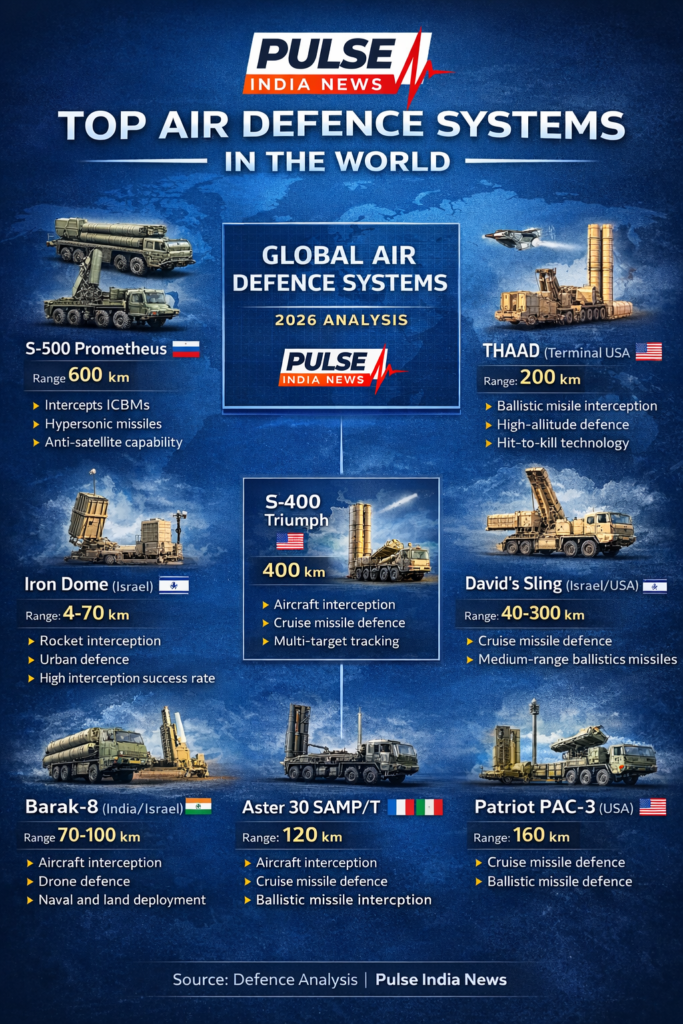
Another critical factor is training and operational doctrine. Western militaries invest decades in developing procedures for defending against complex air attacks. Countries purchasing imported systems must also develop the expertise needed to operate them effectively.
Impact on China’s Defence Exports
China has emerged as one of the world’s largest arms exporters, offering equipment that is often significantly cheaper than Western alternatives. For many countries facing budget constraints or political restrictions on Western weapons, Chinese systems provide an attractive option.
However, as these systems are increasingly exposed to real-world conflicts, their battlefield performance will inevitably shape global perceptions of Chinese military technology.
For Beijing, maintaining the credibility of its defence exports is crucial. If buyers begin to question the reliability of these systems under combat conditions, it could affect future arms deals and strategic partnerships.
Conclusion
The growing scrutiny of Chinese air-defence systems in Pakistan, Venezuela and Iran does not necessarily mean the technology is ineffective. Modern warfare is extraordinarily complex, and even the most advanced systems can be overwhelmed under certain circumstances.
But these incidents highlight an important truth: the real test of any defence system is not marketing claims or military parades — it is performance under battlefield conditions.
As conflicts evolve and air warfare becomes increasingly sophisticated, countries around the world will continue to watch closely how different defence technologies perform when the stakes are highest.