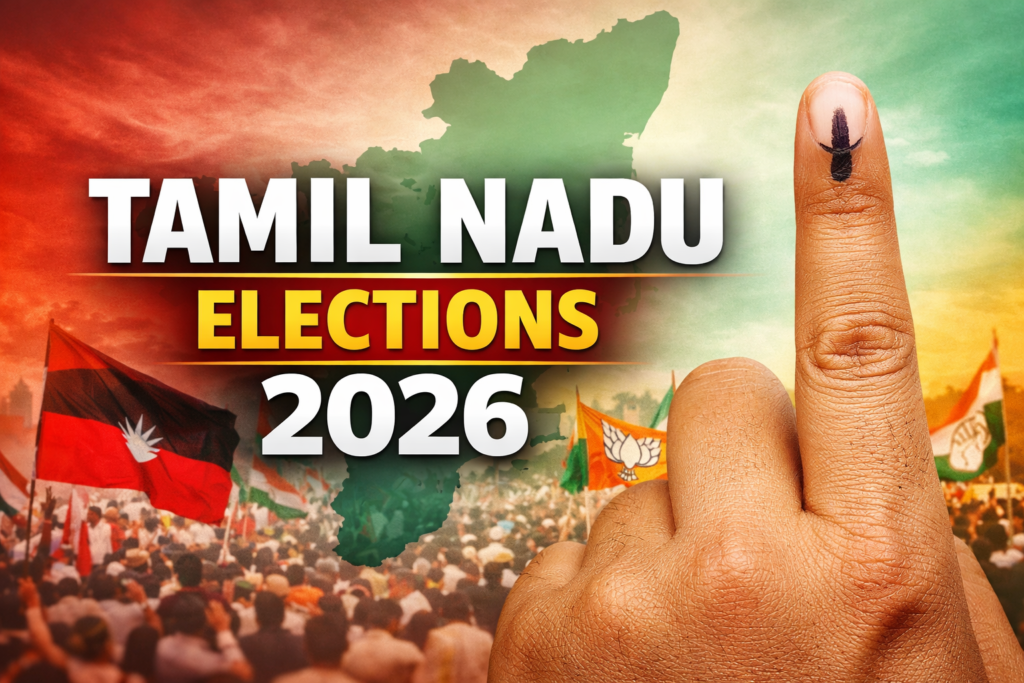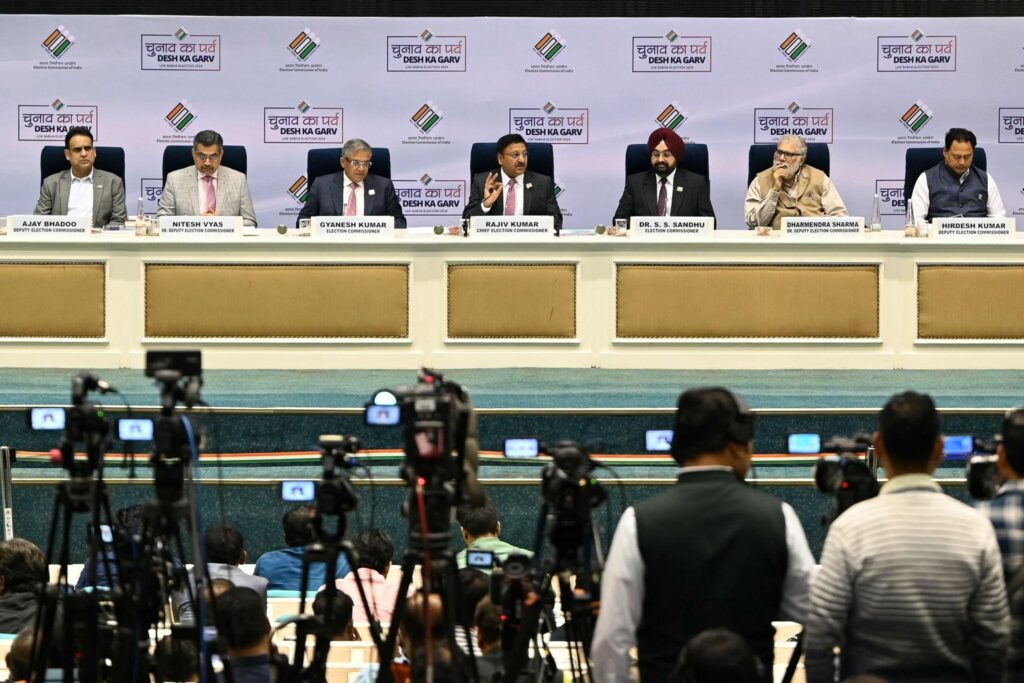
The Kerala Assembly Elections 2026 will be one of the most closely watched political contests in South India. The election will determine the next government in the 140-member Kerala Legislative Assembly. Voting is scheduled to take place on 9 April 2026, while the counting of votes will be held on 4 May 2026.
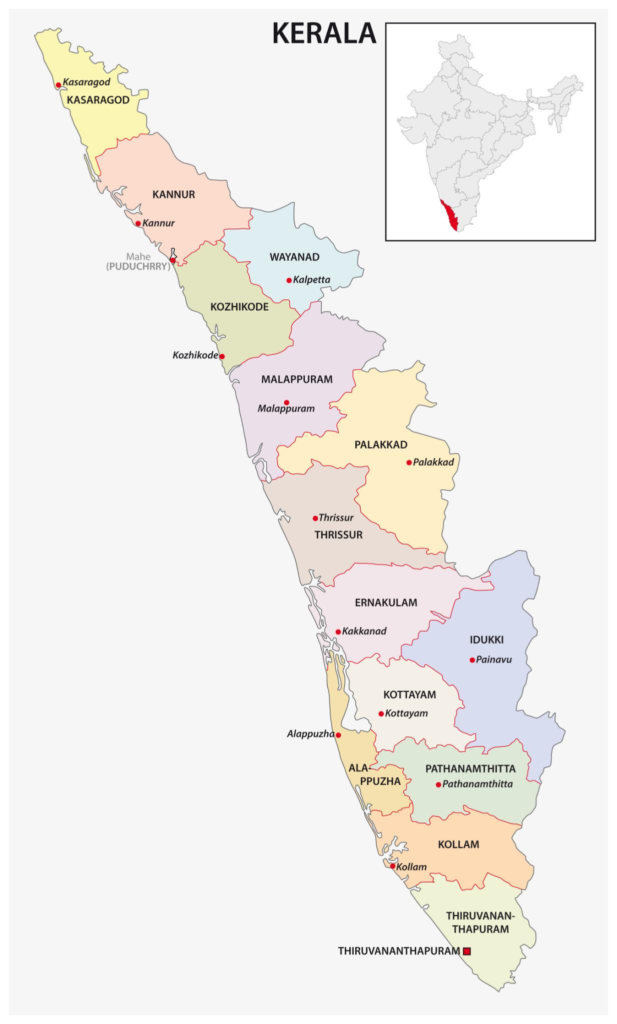
The main contest in Kerala is expected to be between the Left Democratic Front (LDF) led by the Communist Party of India (Marxist) and the United Democratic Front (UDF) led by the Indian National Congress. The Bharatiya Janata Party (BJP), part of the National Democratic Alliance (NDA), is also aiming to expand its presence in the state.
Political analysts say the 2026 election will test whether the LDF government led by Chief Minister Pinarayi Vijayan can retain power for a third consecutive term, or whether the opposition UDF will return to power after several years in opposition.
Kerala Assembly Elections 2026: Polling Date and Counting Schedule
Kerala will go to polls in a single phase on 9 April 2026 for all 140 Assembly seats. Vote counting is scheduled for 4 May 2026.
Total Seats in Kerala Assembly
- Total Seats: 140
- Majority Needed: 71 seats
The Kerala Legislative Assembly consists of 140 constituencies, each represented by one MLA.
Major Political Alliances in Kerala
Left Democratic Front (LDF)
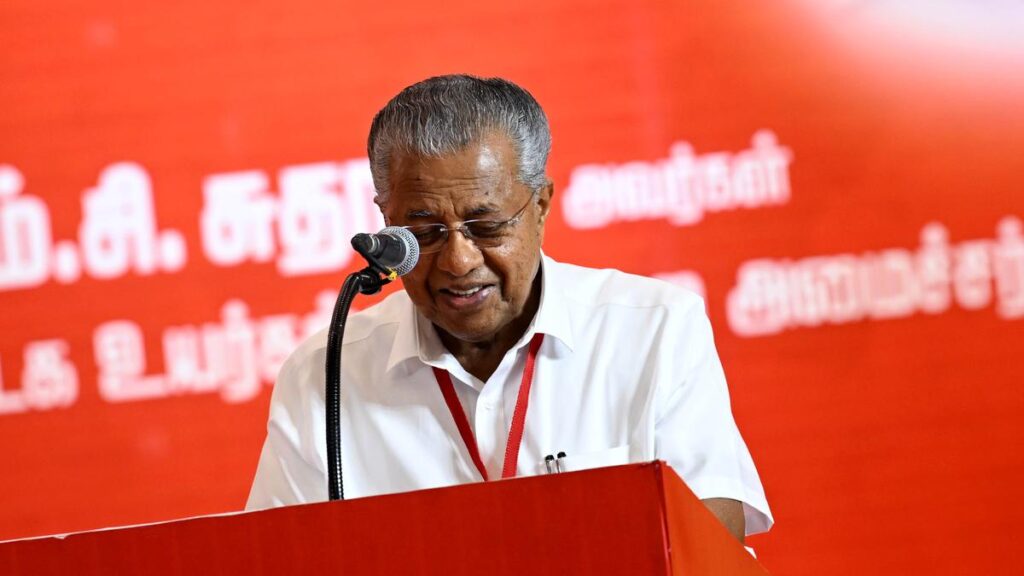
Leader: Pinarayi Vijayan
Party: CPI(M) and allies
Manifesto Focus
- Welfare schemes and social security
- Infrastructure development
- Public healthcare and education
Strengths
- Strong grassroots cadre
- Popular welfare programs
- Incumbent government experience
Weaknesses
- Anti-incumbency after two terms
- Economic and employment concerns
United Democratic Front (UDF)
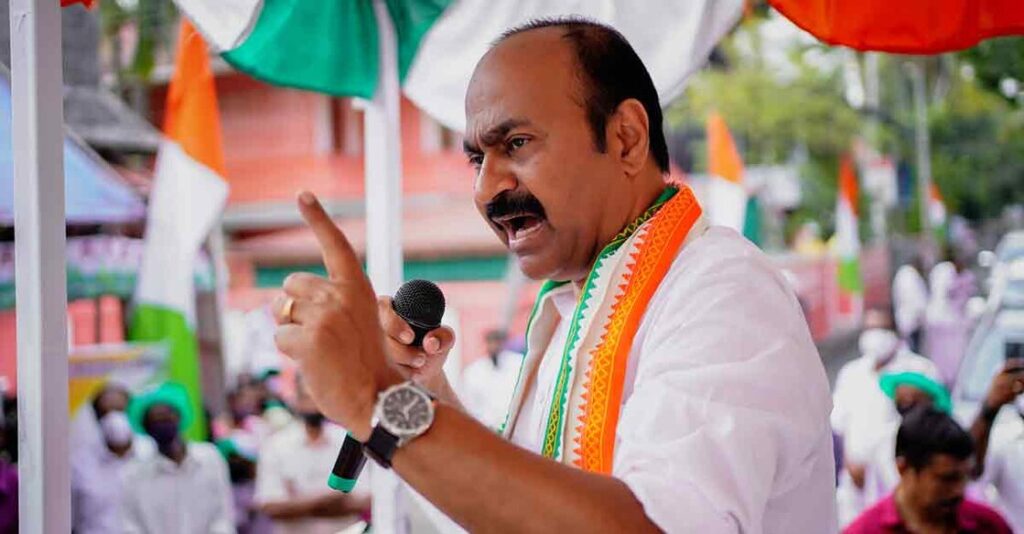
Leader: V. D. Satheesan
Major Party: Indian National Congress
Manifesto Focus
- Job creation
- Economic reforms
- Anti-corruption measures
Strengths
- Strong Congress support base
- Backing from minority communities
Weaknesses
- Internal factional issues
- Struggled to challenge LDF dominance in 2021
National Democratic Alliance (NDA)
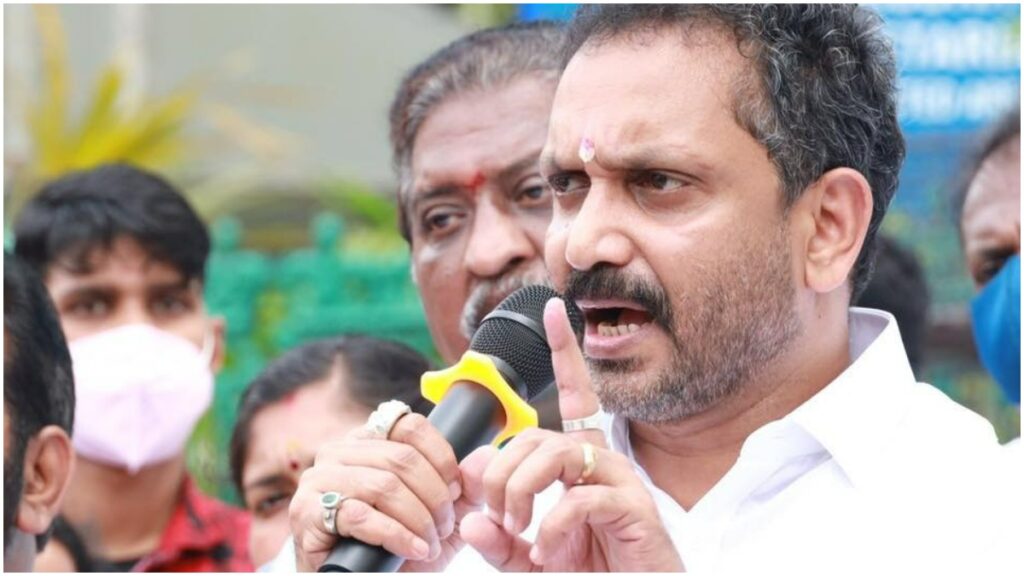
Leader: K. Surendran
Major Party: Bharatiya Janata Party (BJP)
Manifesto Focus
- Development and infrastructure
- National integration policies
- Expanding BJP presence in Kerala
Strengths
- Strong national leadership support
- Growing vote share in some districts
Weaknesses
- Limited seats historically in Kerala
- Weak organizational base compared to LDF and UDF
Previous Election Result (2021)
| Alliance | Seats Won |
|---|---|
| Left Democratic Front (LDF) | 99 |
| United Democratic Front (UDF) | 41 |
| NDA | 0 |
In the 2021 Kerala Assembly elections, the Left Democratic Front (LDF) retained power with 99 seats, while the United Democratic Front (UDF) secured 41 seats.
Who Will Win Kerala Elections 2026?
The 2026 Kerala Assembly elections are expected to witness a closely contested political battle between the ruling Left Democratic Front (LDF) and the opposition United Democratic Front (UDF). The National Democratic Alliance (NDA) led by the Bharatiya Janata Party is also attempting to increase its presence in the state, although Kerala has traditionally seen a two-front political system dominated by the LDF and UDF.
Who Can Win Kerala Elections 2026?
Recent political trends suggest that the Left Democratic Front (LDF) may start the Kerala Assembly Elections 2026 with a slight advantage, though the contest remains competitive. The United Democratic Front (UDF) is expected to be the main challenger, while the NDA is trying to expand its influence in selected constituencies.
The ruling LDF enters the election with the advantage of incumbency and an established statewide organisation, while the UDF is banking on anti-incumbency and voter desire for change. Kerala has traditionally seen direct competition between these two fronts, so even a narrow shift in vote share could influence the final result.
Current poll trend: LDF slightly ahead, UDF remains in strong contention.
Political observers note that the LDF government led by Chief Minister Pinarayi Vijayan still maintains a strong support base due to its welfare programs, healthcare initiatives and infrastructure projects implemented over the past decade. These policies have helped the ruling alliance retain significant backing among many voters across the state.
Key Issues in Kerala Elections 2026
- Employment opportunities for youth
- Economic development and state debt
- Infrastructure and urban development
- Welfare schemes and social security
- Environmental concerns and climate impact
Why Kerala Elections 2026 Are Important
The Kerala Assembly elections will determine whether the LDF can secure a third consecutive term, or whether the UDF returns to power after a decade in opposition. Political analysts are also watching whether the BJP can expand its presence in the state.