Artificial intelligence (AI) is transforming industries across the world in 2026, with governments and technology companies investing billions of dollars to expand AI infrastructure and develop advanced digital services. Experts say the rapid growth of AI is shaping the future of global economies, innovation, and business operations.


Advanced AI chips and processors are driving the rapid growth of artificial intelligence worldwide.
Global AI Market Expands Rapidly
The artificial intelligence industry is experiencing unprecedented growth. Analysts estimate that the global AI market will reach approximately $757 billion in 2026, continuing a strong upward trend from about $638 billion in 2025.
Industry forecasts suggest the technology sector could invest more than $2.5 trillion in AI technologies in 2026, representing a 44% increase compared with the previous year.
The surge in spending highlights how AI is becoming a critical component of business strategies worldwide. Many companies are now integrating AI tools into their operations to automate tasks, analyze massive data sets, and improve productivity.
Tech Giants Lead the AI Investment Race
Some of the world’s largest technology companies are driving the AI boom.
Companies such as Microsoft, Google (Alphabet), Amazon, and Meta are investing heavily in AI infrastructure, including cloud computing systems and data centers designed to power next-generation AI models.
Together, major technology companies are expected to spend hundreds of billions of dollars on AI infrastructure, including powerful chips, servers, and networking equipment.
For example:
- Amazon has announced plans to invest up to $50 billion to expand AI and supercomputing capabilities.
- Microsoft has committed billions of dollars toward partnerships with AI developers and cloud-based AI platforms.
- Nvidia, a leading AI chip manufacturer, continues to dominate the market for high-performance GPUs used to train advanced AI models.

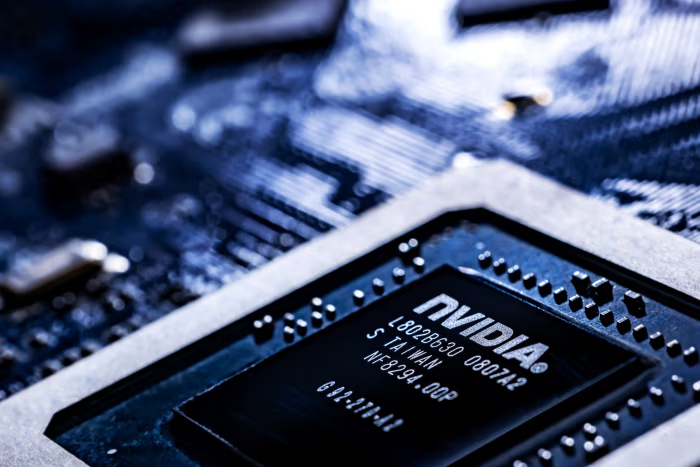
Advanced AI chips and processors are driving the rapid growth of artificial intelligence worldwide.
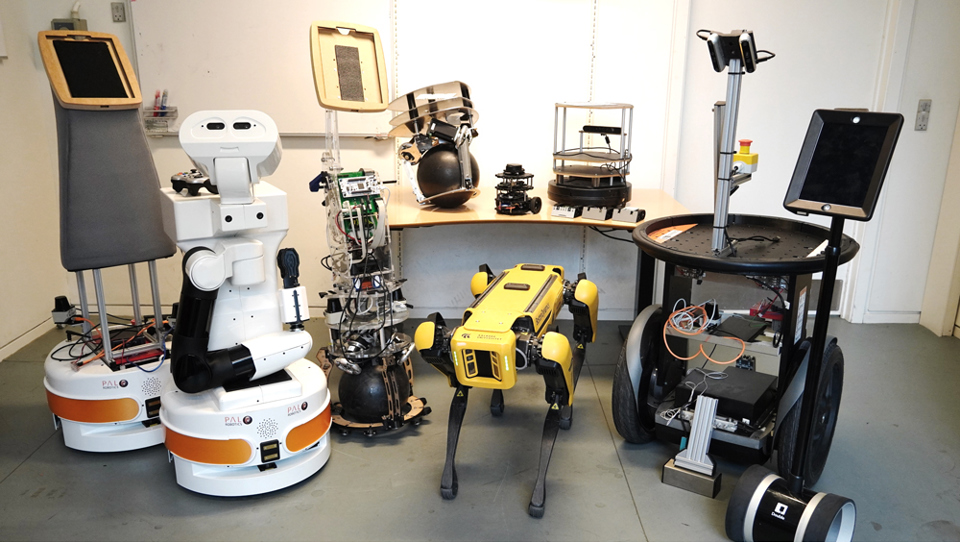
These investments aim to build powerful AI systems capable of supporting applications such as large language models, robotics, and advanced automation.
AI Transforming Industries
Artificial intelligence is already changing how businesses operate across multiple sectors.
Healthcare
AI-powered tools are helping doctors detect diseases earlier and analyze medical data faster. Machine learning models can analyze medical scans and predict potential health risks with greater accuracy.
Finance
Banks and financial institutions are using AI to detect fraud, automate customer service, and analyze market trends.
Manufacturing
Factories are using AI-driven robots and predictive maintenance systems to reduce downtime and improve efficiency.
Transportation
Self-driving vehicle technology and AI-based logistics systems are transforming transportation networks.
Rising Demand for AI Infrastructure
The rapid growth of AI applications has also created massive demand for computing infrastructure. Companies are building large-scale data centers to train and operate complex AI models.
Experts say the expansion of AI infrastructure could reshape the global technology landscape, creating new opportunities for chip manufacturers, cloud service providers, and software companies.
AI infrastructure spending alone is expected to reach hundreds of billions of dollars globally in the coming years, driven by demand for high-performance computing systems.
Impact on Global Economy
The AI boom is also expected to influence global economic growth. According to international economic forecasts, AI investments are helping support global economic expansion despite challenges such as trade tensions and inflation.
Economists believe that artificial intelligence could significantly increase productivity, helping businesses automate complex tasks and develop innovative products.
The Future of Artificial Intelligence
Experts predict that AI will continue evolving rapidly over the next decade.
Future developments may include:
- Advanced autonomous systems
- AI-driven scientific discoveries
- More powerful language and image generation models
- Fully automated industrial systems
- AI-powered personalized education and healthcare
However, researchers also warn about challenges such as data privacy, ethical concerns, and potential job displacement as automation becomes more widespread.
Massive AI data centers provide the computing power needed to train modern artificial intelligence systems.
Conclusion
Artificial intelligence is quickly becoming one of the most important technologies shaping the modern world. With massive investments from global technology companies and governments, the AI industry is expected to grow dramatically in the coming years.
As innovation accelerates, artificial intelligence will likely transform industries, economies, and everyday life, making it one of the defining technologies of the 21st century.
Related News: Houthis Remain Silent as War Tensions Around Iran Escalate